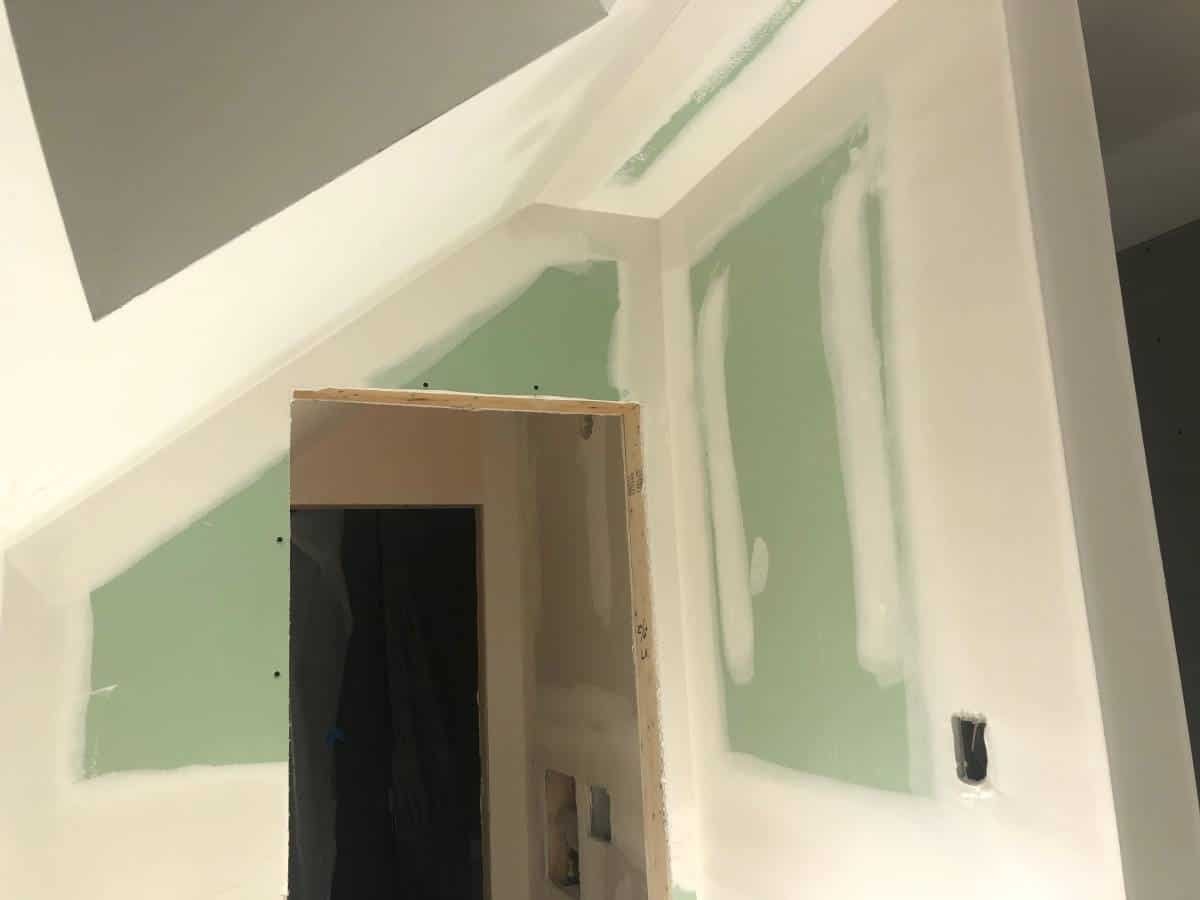
Corner beads are essential components in drywall construction, specifically designed to enhance the durability and aesthetics of outside corners. They serve as protective edges that help maintain the structural integrity of drywall installations by shielding corners from damage. In both residential and commercial projects, these materials ensure that corners do not crumble or show signs of wear over time, creating a visually appealing finish while extending the lifespan of the drywall.
The primary function of corner beads is to provide a clean, sharp edge, resulting in a professional and polished look. When applied properly, corner beads can significantly improve the overall finish of drywall by minimizing the risk of chipping, cracking, or denting. This is particularly important in high-traffic areas where walls are more susceptible to impact and wear. Additionally, using corner beads allows for easier taping and mudding, leading to a smoother and more uniform finish across the wall surface.

Type Of Corner Bead
There are various types of corner beads available on the market, each offering unique benefits tailored to specific construction needs. Metal corner beads are renowned for their strength and durability, making them ideal for commercial applications or areas where durability is paramount. Vinyl corner beads, on the other hand, are lightweight and resistant to rust, providing a viable option for moisture-prone environments. Lastly, paper-faced corner beads are often preferred for interior projects as they easily blend with joint compound, resulting in a seamless finish. Selecting the appropriate type of corner bead is crucial in achieving the desired outcome for any drywall project, ensuring both functionality and aesthetic appeal.
Gathering Your Tools and Materials
To successfully finish an outside drywall corner with corner bead, it is essential to gather all necessary tools and materials beforehand. Having everything prepared will enhance the efficiency of your project and ensure that you are well-equipped to achieve a smooth and professional finish.
Firstly, you will need the corner bead itself. This can be either metal or plastic, with metal beads offering durability for high-traffic areas while plastic beads are often easier to work with. Depending on the specific project requirements, choose the type that best suits your needs.

Use Quality Joint Compound
Next, a suitable joint compound is crucial for this project. There are various types available, including pre-mixed and powder joint compounds. Pre-mixed compounds are ready for use, while powder versions require mixing with water. Both serve the purpose of providing a smooth application over the drywall seams and corner bead.
Additionally, you will need tape to cover the joints. Paper tape is typically used due to its strength and ease of use, but mesh tape can also be considered for its ability to mold well around curves.
Apply The Compound Wipe Evenly
For applying the joint compound, a set of drywall knives in various sizes will be necessary. At minimum, having a 6-inch knife for initial applications and a larger knife (12-inch or more) for finishing coats will facilitate a smooth application.
Lastly, do not overlook other important tools such as a drywall saw for cutting the drywall, a measuring tape for precision, a level for ensuring straight applications, and a utility knife for trimming excess material.
Having all these tools and materials at your disposal not only streamlines the drywall finishing process but also contributes to achieving a polished and professional outcome.

Preparing the Drywall Corner for Corner Bead Installation
To achieve a professional finish when installing corner bead, proper preparation of the drywall corner is critical. Begin by ensuring that the surface of the drywall is clean and smooth. Use a utility knife to remove any rough edges or imperfections around the corner; this will help facilitate better adhesion of the corner bead. Additionally, inspect for any dust or debris, as this can interfere with the bonding process. A clean, smooth surface is paramount for effective corner bead installation.
Next, it is essential to measure the corner accurately before cutting the corner bead to the required length. A standard corner bead is typically 8 feet in length, but if working with shorter corners, use a tape measure to determine the specific measurement needed. Mark the desired length on the corner bead clearly with a pencil. For a clean cut, utilize tin snips, ensuring that the cut is straight. Avoid using excessive force, as this may result in jagged edges on the bead.

Aligning The Outside Corner Bead
When positioning the corner bead, start from the top of the corner and work downward, maintaining a level and flush alignment with the edges of the drywall. It is recommended to temporarily hold the corner bead in place while visually checking its positioning. Using a level can help ensure an accurate alignment. Once situated, secure the bead using drywall screws, being cautious not to overtighten them, as this could damage the bead or alter its alignment. Proper care taken during this stage can greatly enhance the overall appearance of the finished drywall corner.

Finishing Touches – Applying Joint Compound and Sanding
After installing the outside corner bead, the next critical step in achieving a professional finish involves applying joint compound over the corner bead. To begin, prepare your workspace by gathering the necessary materials, which include joint compound, a taping knife, a sanding block or pole sander, and a good light source to clearly see your work area.
Start by applying the first coat of joint compound. Using the taping knife, scoop some compound onto the blade and carefully spread it over the outside corner bead. It is crucial to apply the compound evenly, aiming for a smooth, consistent layer that covers the bead without excessive buildup. Working from the top to the bottom of the corner allows for a natural flow of the compound, preventing drips and uneven sections. Be sure to feather the edges of the compound to blend seamlessly with the surrounding drywall.
Allow Coats Time To Dry
Allow this first coat to dry completely, which typically takes about 24 hours, depending on humidity and temperature. Once dry, inspect the area for any imperfections or rough spots. If necessary, sand these areas lightly to create a flat surface. After sanding, wipe down the corner with a damp cloth to remove any dust particles. Following this, apply a second coat of joint compound in the same manner. It is recommended to feather this layer out further than the first to ensure a smooth transition onto the existing drywall.
Again, allow the second coat to dry thoroughly before proceeding with a final sanding. For the best results, employ a fine-grit sandpaper to achieve a flawless finish. Finally, maintaining a clean work area is important; clean up any excess compound immediately after finishing. Inspect the corner once more to ensure that it is ready for painting or any additional finishes you plan to apply. This meticulous approach will lead to a professional-looking corner that enhances the overall aesthetics of your drywall project.
FAQ
Should I use screws to fasten the corner bead?
If using a metal corner bead, A narrow crown staple gun is the best. Otherwise, screws or ring shank nails.
Are there other types of corner bead?
Yes, there is a style that gets glued on with joint compound.
How can I align the corner bead to the wall?
Use a framing 90-degree square and hold it over the bead. It will align the bead with both walls perfectly.
Do I need to tape over the outside corner metal bead?
It is a good practice to tape the flange of the corner bead to prevent any future cracking.
I bought a vinyl outside corner bead. How should I install them?
Spray adhesive and staples from a t50 arrow style stapler
What is the best corner bead out of the 3 options?
No-Coat or Straight fled Big Stick with the paper that gets glued using joint compound.
Why is the No-Coat Style the best?
You can hit the corner with furniture, and it won’t dent or pop off.