Drywall Tools Needed To Do Drywall Work
Essential Drywall Tools
Drywall tools are required to install and finish drywall. When it comes to drywall installation and repair, having the right cutting tools is crucial for ensuring clean, precise cuts. The primary tools in this category include utility knives, drywall saws, and corner knives. Each of these tools serves a unique purpose and can significantly influence the overall outcome of the project.
The utility knife is perhaps the most versatile of all drywall cutting tools. It features a retractable blade that can easily be replaced when it becomes dull. To use a utility knife, score the paper surface of the drywall with a straight edge, and then snap the board along the scored line. This method ensures a clean edge that will fit snugly during installation.
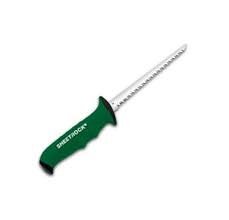
Drywall saws are specifically designed for making more intricate cuts, especially in full sheets of drywall or for creating openings for electrical outlets and light switches. The teeth on a drywall saw are sharp and spaced apart, allowing it to cut through the gypsum core effectively. For best results, use a gentle sawing motion and let the tool do the work, minimizing the risk of tearing the drywall.
Corner knives, also known as angle cutters, are essential for cutting drywall at angles or for making beveled edges. These specialized tools feature a unique shape that allows for precise corner cuts necessary for drywall installations in tight spaces. When using a corner knife, it is essential to maintain a consistent angle to ensure a perfect fit against adjacent drywall sheets.
To achieve the best results when using these cutting tools, apply steady pressure, take your time, and practice making cuts on scrap piece of drywall. Familiarizing yourself with the tools will enhance your skills and result in a smoother installation process. Proper maintenance, such as replacing blades and cleaning saws, will also prolong the life of these essential drywall cutting tools.
Taping Tools and Techniques
When it comes to drywall installation and repair, taping tools play a crucial role in achieving a professional finish. The primary tools involved in the taping process include taping knives, corner trowels, and utility knives. Each of these tools serves a unique purpose and is essential for achieving a seamless appearance in drywall joints.
The taping knife, typically available in various widths ranging from 4 to 12 inches, is essential for applying joint compound over tape, ensuring smooth coverage. The larger the knife, the more area can be covered in a single stroke, which is particularly important for larger seams. A corner trowel is specifically designed for taping inside corners, where two sheets of drywall meet at a right angle. This tool helps to create neat, sharp corners that are often the focal point of a room’s drywall work.
Utility knives are indispensable for cutting drywall sheets to size and trimming joint tape. A quality utility knife allows for precise cuts, which is critical for fitting drywall pieces snugly together. Additionally, it is advisable to use a fresh blade for each job, as dull blades may lead to uneven cuts and ultimately affect the quality of the drywall installation.
In terms of techniques, applying joint tape involves pressing it into the freshly applied joint compound, using the taping knife to smooth out any bubbles and excess compound. It is important to ensure that the tape is adhered firmly and is free of creases. Once the tape is in place, a second layer of compound can be applied over the tape, feathering it out to blend seamlessly with the surrounding drywall. A common practice is to apply three coats of joint compound, progressively smoothing and feathering each layer to create a polished appearance.
Sanding Tools for a Perfect Finish
When it comes to drywall repair and installation, achieving a smooth and even surface is crucial. The right sanding tools play an essential role in this process, ensuring that the joint compound applied is flawlessly finished. Among the various sanding tools available, sandpaper, sanding blocks, and dust collection systems are indispensable for both novice and experienced DIYers.
Sandpaper serves as the most fundamental option for smoothing out joints after the joint compound has dried. It is available in various grit sizes, allowing users to select the appropriate one based on their specific needs. Coarser grits, typically ranging from 60 to 100, are ideal for initial sanding to eliminate any large imperfections in the surface. Conversely, finer grits, from 120 to 220, are preferred for final sanding to achieve a polished finish. Utilizing the correct sandpaper can significantly affect the results, as using a grit that is too coarse may produce scratches that will become visible even after painting.
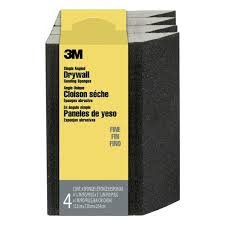
Sanding blocks are another important tool to consider. These come in various shapes and sizes and provide a stable and uniform surface to hold sandpaper. By attaching sandpaper to a sanding block, users can maintain an even pressure while sanding, which helps in preventing uneven surfaces and enhances control during the process. Moreover, many sanding blocks are designed to accommodate different angles and edges, making them versatile for various drywall applications.
In addition to sandpaper and sanding blocks, effective dust collection systems contribute significantly to the sanding process. Sanding drywall can create a substantial amount of dust, which may pose health risks and lead to a mess in the work area. Therefore, investing in a specialized dust collection system, or using a vacuum attachment for sanders, ensures that dust is minimized, creating a cleaner and safer working environment.
The combination of suitable sandpaper, efficient sanding blocks, and effective dust collection systems enables individuals to achieve a flawless finish on their drywall projects. By utilizing these sanding tools correctly, contractors and DIYers alike can ensure that their finished surfaces are smooth, ready for painting, and visually appealing.
Finishing Tools: Knives and Trowels
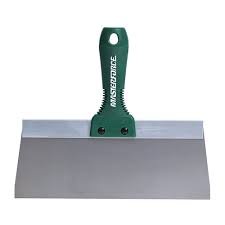
In the realm of drywall installation and repair, finishing tools are indispensable for achieving a smooth, polished appearance. Specifically, drywall knives and trowels play pivotal roles in the application and blending of joint compound, which is essential for seamless finishes. These tools come in various sizes and shapes, each designed to serve specific functions throughout the finishing process.
Drywall knives, typically made from stainless steel or plastic, are available in widths ranging from 4 to 12 inches. The smaller knives are ideal for applying joint compound to narrow seams and corners, while wider knives provide the necessary coverage for larger areas. A flexible knife allows for easy maneuvering and better distribution of the compound, ensuring an even application without leaving unsightly ridges or lines.
Trowels, on the other hand, are slightly different in design and are especially useful for texturing and smoothing surfaces. Trowels come in various styles, including margin trowels for tight areas and finishing trowels for broader surfaces. Their sturdy construction enables the user to exert more pressure during application, which can help to create a finer finish. When utilizing both knives and trowels, the key is to work in thin layers, applying the joint compound steadily and allowing each layer to dry completely before sanding or applying additional compound.
To achieve professional-looking results, it is crucial to maintain the finishing tools properly. Cleaning them after each use to prevent compound buildup will extend their lifespan and ensure a smooth finish. For best practices, consider the varying conditions of your workspace and adjust the size and type of tool accordingly. Mastering the use of drywall knives and trowels will significantly enhance the quality of your drywall project.
Safety Equipment for Drywall Projects
When undertaking drywall projects, prioritizing safety is crucial to protect oneself against various hazards associated with the materials and processes involved. The first piece of equipment that should be considered is a high-quality dust mask. During the installation or repair of drywall, activities such as cutting and sanding generate fine dust particles which can be harmful if inhaled. Wearing a dust mask, particularly one rated for drywall work, helps prevent respiratory complications and ensures that the air you breathe remains clean.
Protective goggles are another essential component of safety gear. When cutting drywall, small particles can easily fly into the eyes, posing the risk of irritation or injury. Using goggles creates a barrier that safeguards the eyes from dust and debris, allowing individuals to focus on their tasks without the distraction of discomfort or potential harm. It is advisable to select goggles that fit snugly and provide a clear line of vision while also being resistant to fogging during extended use.
In addition to masks and goggles, gloves are vital when handling drywall materials. Gloves protect the skin from cuts, scrapes, and other minor injuries that can occur while handling sharp edges or working with tools. When choosing gloves, look for options that offer both flexibility and durability, ensuring that they allow for proper dexterity without sacrificing safety. It is important to remember that different types of gloves might be suitable for various tasks, whether one is lifting sheets of drywall or applying joint compound.
In conclusion, investing in appropriate safety equipment—dust masks, goggles, and gloves—is essential for anyone working on drywall projects. These items not only enhance personal safety but also contribute to a more productive and focused working environment, allowing for greater efficiency in repair and installation tasks.
Optional Tools for Enhanced Efficiency
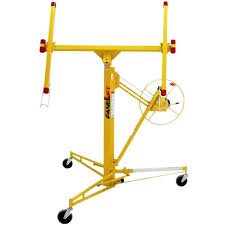
While the essential tools for drywall repair and installation are crucial, incorporating optional tools can significantly enhance efficiency and streamline the entire process. One such tool is the drywall lift, which is particularly beneficial for managing large sheets of drywall. This equipment allows the user to easily raise drywall sheets to the ceiling or walls, minimizing physical strain and ensuring precision during installation. Particularly for large projects, a drywall lift can substantially decrease both time and effort required for the job.
Optional drywall tools worth considering is the automatic taper. This tool simplifies the process of applying joint compound to seams by automating the mixing and application stages. The automatic taper ensures a consistent and even coat, reducing the amount of manual labor needed and increasing overall productivity. For professional contractors, the time saved with an automatic taper translates directly into increased profitability, while DIY enthusiasts can appreciate the ease it adds to what can often be a labor-intensive process.
In addition to these, measuring tools like laser levels are invaluable for achieving accurate alignment of drywall panels. Laser levels provide a reliable reference point, eliminating the possibility of errors due to miscalculation or uneven surfaces. These tools are particularly advantageous when working on larger installations where precision is paramount.
Ultimately, while not strictly necessary, these optional tools—drywall lifts, automatic tapers, and laser levels—are certainly worth considering. They can lead to increased efficiency, reduced fatigue, and improved accuracy, especially in larger projects. Assessing the specific needs of a job can help determine which of these tools may be beneficial for your drywall installation or repair tasks.
Conclusion: Investing in the Right Tools
Repairing or installing drywall can seem like a daunting task, especially for those new to home improvement. However, the process can be significantly simplified by investing in the right drywall tools. While achieving a polished finish may not necessarily require an overwhelming supply of specialized equipment, having essential tools at hand is instrumental in ensuring both efficiency and quality in your work.
As outlined throughout this guide, key tools such as a drywall joint knife, a taping knife, and drywall saws play a crucial role in executing the tasks involved in drywall installation and repair. These tools facilitate precision and help mitigate common issues that arise during the process. Furthermore, possessing additional drywall tools like a drywall lift or a t-square can further enhance the overall experience, making complex tasks more manageable and user-friendly.
It is important to recognize that while the initial investment may vary, prioritizing quality over quantity can yield long-term benefits. With the right selection of drywall tools, not only will you achieve professional results more easily, but you will also develop a deeper understanding of drywall craftsmanship. Moreover, maintaining your tools by keeping them in good condition will prolong their effectiveness and reliability.
In conclusion, investing in the right drywall tools is an essential step for any homeowner or contractor looking to undertake drywall projects. By ensuring you have the correct equipment, you pave the way for successful, high-quality repairs and installations, ultimately elevating the aesthetic value of your home. Embrace the opportunity to enhance your skillset and produce remarkable results by incorporating these essential tools into your toolkit.