Diy Drywall Repair Patching DIY Blog

Choosing Between Veneer Coat Plaster Over Blueboard and Drywall: A Homeowner's Guide for Westhampton, Monson, and Ware
Choosing Between Veneer Coat Plaster Over Blueboard and Drywall: A Homeowner's Guide for Westhampton, Monson, and Ware
PLASTERING
11/11/20254 min read
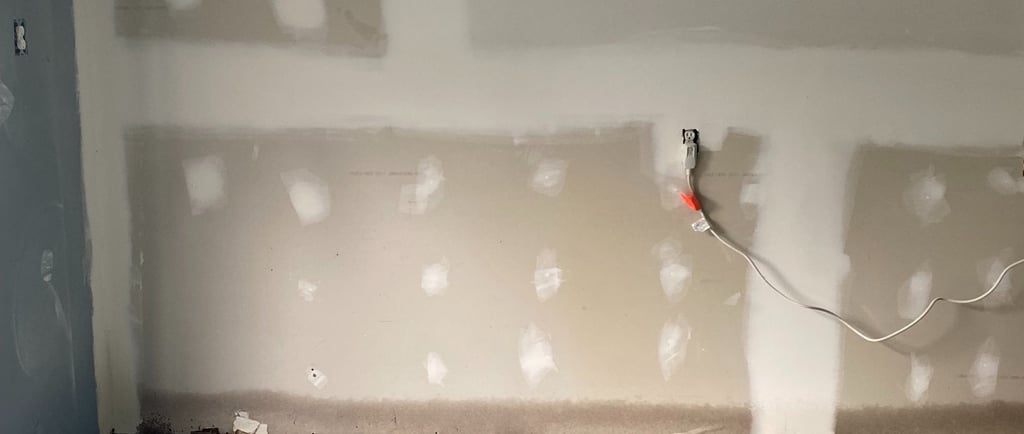
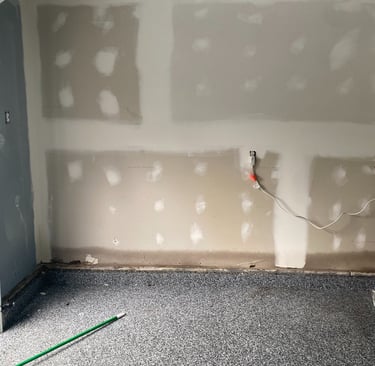
Understanding Veneer Coat Plaster and Its Benefits
Veneer coat plaster is a specialized type of plaster applied in thin layers over a substrate, such as blueboard, a form of gypsum board explicitly designed for plastering. This plastering technique involves applying multiple coats, typically starting with a scratch coat, then a brown coat, and finally a veneer finish coat. The composition of veneer coat plaster comprises a blend of gypsum, additives, and water that together yield a durable, resilient finish. Its application process requires skilled craftsmanship to ensure adherence and create a smooth, aesthetically pleasing surface.
One significant benefit of using veneer coat plaster is its durability. Unlike traditional drywall, which can be susceptible to dents and punctures, veneer coat plaster offers superior resistance to physical damage and maintains its integrity over time. Additionally, it provides excellent moisture resistance, making it an ideal choice for areas prone to humidity, such as bathrooms and kitchens. This feature is particularly valuable for homeowners in regions like Westhampton, Monson, and Ware, where coastal and seasonal weather patterns can affect home conditions.
From an aesthetic standpoint, veneer coat plaster offers a refined finish that can enhance the overall appeal of interior spaces. The smooth surface it provides can be easily painted or textured, allowing homeowners to customize their interiors to their personal preferences. Given the climate in Westhampton, Monson, and Ware, the longevity and low maintenance requirements of veneer coat plaster make it a practical choice for homeowners looking to preserve the visual quality and structural soundness of their homes. Overall, the combination of durability, moisture resistance, and aesthetic flexibility makes veneer coat plaster a compelling option for those considering their finishing materials.
Drywall: The Traditional Choice
Drywall, also known as gypsum board or wallboard, has been a staple in residential construction for decades. Its composition consists of a core of gypsum plaster sandwiched between two layers of heavy paper, providing both structural integrity and insulation. The installation of drywall is typically straightforward: sheets are attached to the wall framing with screws or nails, then taping and finishing create a seamless surface. This ease of application contributes to its popularity among homeowners and contractors alike.
One significant advantage of drywall is its cost-effectiveness. Generally, it is less expensive than other wall finishing options, making it an attractive choice for budget-conscious homeowners. Additionally, drywall offers excellent fire resistance, a vital consideration for home safety. Its soundproofing properties also enhance residential ambiance, effectively reducing noise transmission between rooms.
Despite its merits, drywall has drawbacks. While it is relatively durable, it is susceptible to moisture damage, which can lead to mold growth and deterioration if not promptly addressed. In areas prone to high humidity, such as bathrooms and basements, homeowners may need to consider water-resistant alternatives. Maintenance is another factor; drywall surfaces require regular painting and repair to remain visually appealing and functional. In Westhampton, Monson, and Ware, where traditional homes prevail, the prevalence of drywall reflects local construction trends.
Overall, drywall remains a trusted option for many homeowners due to its blend of affordability, ease of installation, and fire resistance. Understanding both the benefits and limitations of drywall can help make an informed decision about wall finishing options for any home.
Comparing Veneer Coat Plaster Over Blueboard and Drywall
When considering wall options for homes in Westhampton, Monson, and Ware, homeowners often weigh the merits of veneer-coat plaster over blueboard against traditional drywall. Cost-effectiveness is frequently a primary concern. Drywall typically has a lower initial installation cost, making it a popular choice for budget-conscious homeowners. In contrast, veneer coat plaster over blueboard may require a higher upfront investment, but its durability and longevity can yield long-term financial benefits.
Repair and maintenance requirements are also essential factors to consider. Drywall is susceptible to dents and holes, which can require repairs that detract from its overall appearance. Conversely, veneer coat plaster offers a robust surface that can withstand everyday wear and tear; minor imperfections can often be easily repaired without extensive labor. This has implications for homeowners in high-traffic areas or families with children, as the plaster's resilience may reduce the need for repairs.
Aesthetically, veneer coat plaster can provide a distinctive, textured look that many homeowners in Westhampton, Monson, and Ware find appealing. This option offers a variety of finishes and can enhance a home's architectural character, making it a strong contender for those with traditional designs. Drywall, while versatile, may not offer the same level of visual richness. However, it can be easily painted and customized to suit modern tastes, making it an appropriate choice for contemporary residences.
Insulation properties also play a significant role in decision-making. Veneer-coat plaster can offer better thermal performance than standard drywall, potentially contributing to energy savings over time. As local environmental conditions in Westhampton, Monson, and Ware can vary, homeowners should carefully assess their insulation needs and preferences before making final decisions.
Making the Right Choice for Your Home
Choosing between veneer-coat plaster over blueboard and drywall requires careful assessment of factors to ensure the final decision aligns with your specific requirements. Homeowners in Westhampton, Monson, and Ware should begin by evaluating their home environment. The existing structure, climate conditions, and specific room usages can impact the effectiveness of either wall finish. For instance, areas with high moisture levels, such as bathrooms and kitchens, may benefit more from the durability and water resistance offered by veneer coat plaster.
Budget considerations also play a crucial role in the decision-making process. Generally, drywall has a lower upfront installation cost than veneer-coat plaster. However, depending on the longevity and maintenance costs of each option, veneer coat plaster may prove more cost-effective in the long term. Investing in a product that offers higher durability and fewer repairs can benefit homeowners economically over time. Therefore, assessing the total cost of ownership, including installation and long-term maintenance, is essential.
Another essential element in this decision is consulting with professionals experienced in interior finishes. Engaging with knowledgeable contractors can provide insights into the best options for your specific situation. They can assess the nuances of your home and offer tailored advice based on previous projects. It is also vital to consider factors such as installation timelines, finish aesthetics, and potential disruptions to daily living. Homeowners should not hesitate to ask questions and gather as much information as possible to feel confident in their final decision.
By carefully weighing these considerations, homeowners can make an informed decision that addresses their needs while enhancing the beauty and functionality of their spaces.
Licence:
The info in this blog can be shared freely as long as you link to our page as the source.