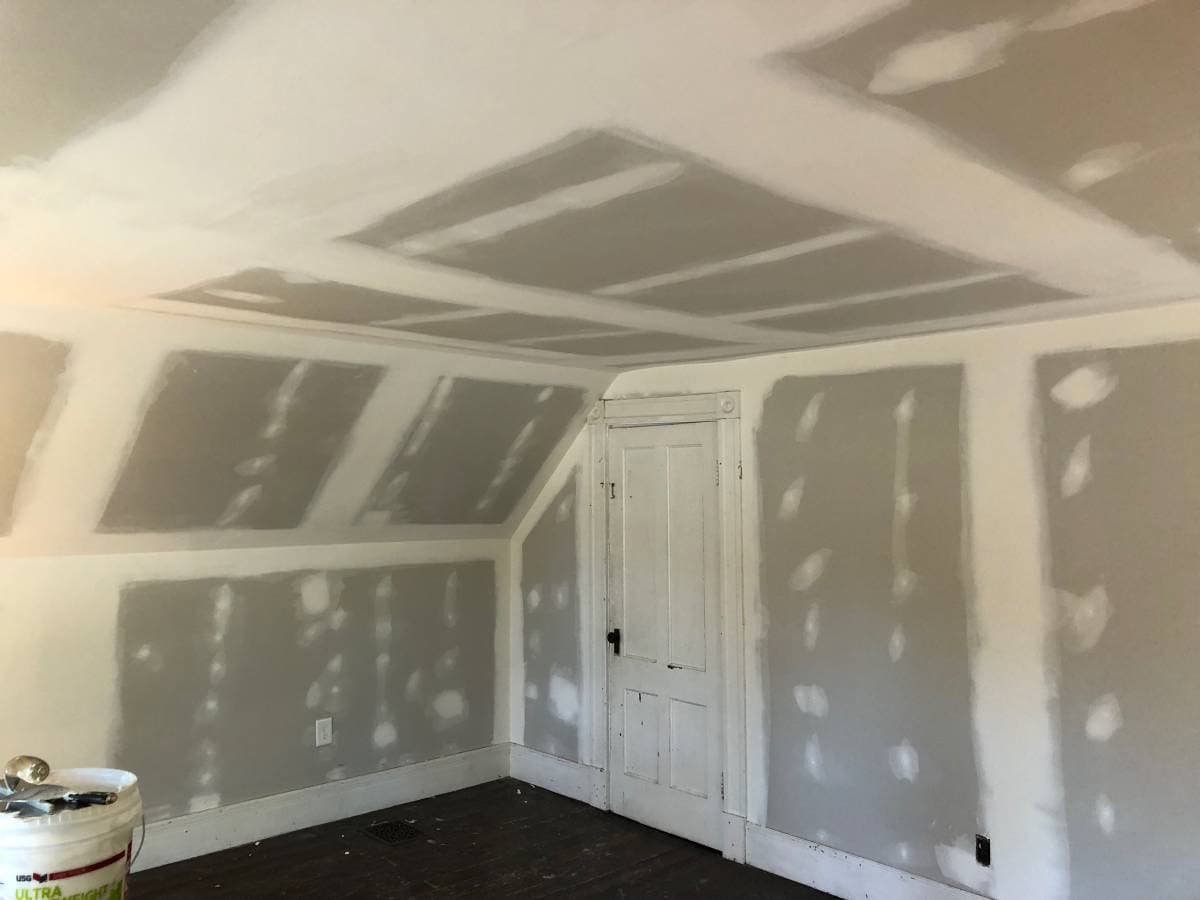
Wide drywall corners are the junctions where two walls meet. Creating a vertical angle can pose significant challenges during the drywall finishing process. Particularly when these angles exceed 90 degrees. These types of corners are integral to the overall aesthetics of a room. But the skill required for complex corners often leads to issues in achieving a smooth and professional finish. The acute angles and tight spaces can make it difficult for even experienced professionals to apply joint compound effectively. This can result in noticeable imperfections.
Wide Drywall Corners
One of the key reasons why finishing inside corners can be particularly tricky is the tendency for drywall tape to crack or shift in angles greater than 90 degrees. To address these concerns, special types of tapes such as no-coat or straight-flex tape are recommended. These tapes are designed specifically to accommodate the stress placed on corners during the finishing process. They can bend and flex without losing strength or integrity. The flexibility of no-coat tape, for example, allows it to conform to the contours of the corner. This creates a tighter seal and prevents future cracking.
Moreover, employing proper finishing techniques is crucial for achieving clean lines and an appealing appearance. This involves applying the joint compound in layers. Then feather the edges to eliminate any visible seams, and using the right tools to smooth out the surface. By mastering these techniques and selecting appropriate materials for finishing inside corners. Especially those exceeding 90 degrees, the end result can be significantly enhanced. Ultimately, understanding the unique challenges that inside corners present allows for better preparation and execution. This leads to a professional-looking finish that complements the overall design of the space.

Essential Tools and Materials You’ll Need
Successfully finishing wide drywall corners that exceed 90 degrees requires the right tools and materials to ensure a professional appearance. Here is a list of essential items that you will need to complete your project.
No-Coat Tape for Inside Corners
No-Coat Tape: This is a vital component for finishing inside corners. This tape is designed to provide a smooth, seamless transition where drywall meets at an angle. Unlike traditional paper tape, it offers superior strength and flexibility, making it easier to work with on complex corners.

Straight Flex for Inside Corners
Straight-Flex Tape: Similar to no-coat tape, this type of tape is used for internal angles and provides extra support. It is particularly useful when working with pieces that may shift or settle over time, ensuring a strong finish that will not crack.
Utility Knife
Utility Knife: A sharp utility knife is essential for cutting drywall and trimming tape. A high-quality knife will allow you to make precise cuts, essential when preparing your drywall pieces and ensuring a snug fit in the corners.
Drywall Knife
Drywall Knife: This tool is crucial for applying joint compound smoothly over the taped areas. Typically available in various widths, a 6-inch drywall knife is ideal for small repairs, while a wider knife may be necessary for larger areas.
Joint Compound
Joint Compound: Also known as mud, joint compound is applied over the tape to create a smooth finish. It is important to hide imperfections and ensure the tape adheres properly to the drywall. Choose a pre-mixed option for ease of use.
Sanding Tools
Sanding Tools: After the joint compound dries, sanding is necessary to achieve a flawless appearance. Use sanding blocks or a pole sander to smooth out the compound, ensuring that your inside corners are leveled and blend seamlessly into the surrounding wall.
Safety Gear
Safety Gear: Lastly, don’t forget about protection. Dust masks and safety goggles will shield you from debris and dust created during cutting and sanding, ensuring a safe work environment.
These tools and materials are indispensable when mastering drywall repair techniques, particularly when dealing with challenging inside corners.
Step-by-Step Instructions for Finishing Drywall Inside Corners Over 90 Degrees
Repairing drywall corners over 90 degrees can be a challenging yet rewarding task. To achieve a professional finish, follow this detailed step-by-step guide. Begin by preparing the area. Ensure that the edges of the drywall are clean and free of any dust or debris. If you notice any imperfections or gaps, fill them with a quick-drying compound and allow it to cure as per the manufacturer’s instructions.
Next, cut your drywall tape to fit the length of the inside corners. For inside corners, no-coat corner beads can be ideal, as they help create a smoother transition. Apply a thin, even layer of joint compound to the corner with a taping knife, and press the tape into the compound, smoothing it as you go. Make sure to embed the tape fully without air bubbles, as this is crucial for a smooth finish.
Once the tape is in place, apply another layer of joint compound over the tape, feathering the edges to create a blended look. Use a clean knife to smooth the joint compound evenly across the corner. Avoid applying too much pressure, as this can displace the tape. It’s essential to be patient during this process—allow the compound to dry completely before moving on to the next step.
After drying, lightly sand the area to achieve a smooth surface. Be cautious not to over-sand, as this may damage the tape. Repeat the application of joint compound and sanding as necessary until the inside corner is seamless and smooth. Finally, clean any dust from sanding and prepare the area for painting. A well-finished corner not only enhances the overall aesthetic but also protects against damage, making patience and precision key factors during this repair process.

Finishing Touches and Final Tips for a Flawless Look
Once the initial layers of joint compound have dried, it is important to refine the finish of the inside corner to achieve a seamless appearance. Start by examining the area for any imperfections or bumps that may have formed during the application process. The first step in finishing touches is to sand the joint compound with a fine-grit sandpaper. A sanding block can provide better control, allowing you to work along the length of the corner without rounding the edges.
When sanding, use a gentle touch to avoid removing too much compound. Focus on achieving an even surface that aligns gracefully with the surrounding drywall. After sanding, wipe down the area with a damp cloth to remove dust particles that may interfere with the next layer of joint compound. This step ensures better adhesion.

Apply a final coat of joint compound using the no-coat method or traditional method, depending on your preference. For a no-coat finish, utilize a specially designed tape that allows for a smoother transition between the wall surfaces. After applying this last layer, allow adequate drying time before sanding once again.
Painting After Taping
With the finish smooth and even, it is time to consider painting the repaired areas. Choose a primer to seal the joint compound before applying paint, as this will help prevent absorption and discoloration. Use a quality paint that matches the rest of the room for a seamless look. For optimal results, use a roller for larger areas and a brush for the edges and corners.
Finally, patience is key in this process. Rushing can lead to visible imperfections. If you encounter issues such as cracking or unevenness, don’t hesitate to apply additional compound and repeat the sanding process. Taking your time ensures a flawless and professional-looking finish that enhances your drywall repair efforts.
Why is the paper style better than the plastic straight flex tape?
The vinyl straight-flex tape can pop off over time it doesn’t bond as well.
These tapes are expensive. Why not just use regular tape?
Because you won’t be able to get a straight line, and it will crack due to the compound in the center of the tape.
Where can I buy these special tapes?
If your local home store doesn’t have them, look for a local drywall supply store. You can also order online.
What type of joint compound should I use to put these tapes on?
I use all purpose to glue the tape on because it has stronger glue.
Want to learn More?
Check our more articles
Knockdown Texture Application Step By Step